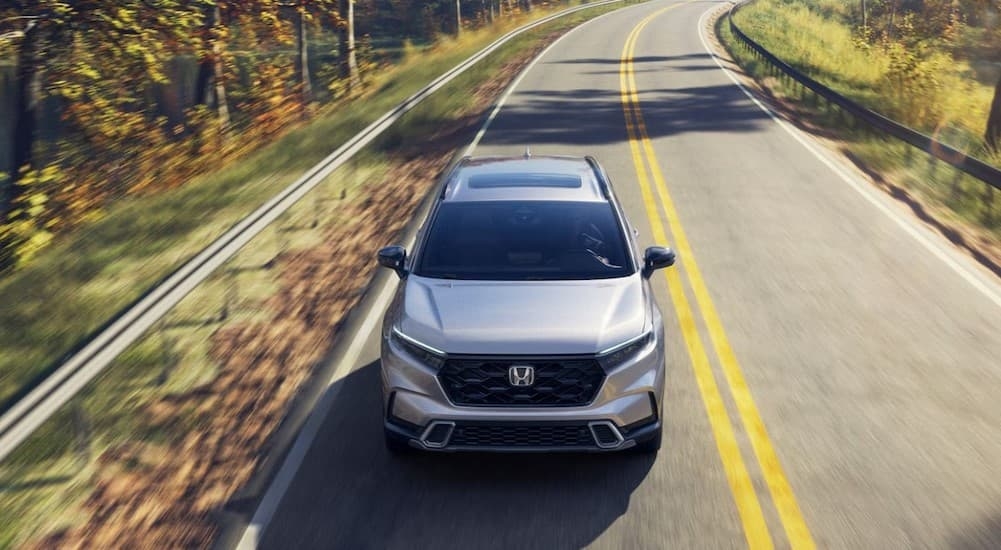
Shopping for a Honda CR-V Hybrid for sale near Bothell? If you do a lot of driving and want a capable yet flexible small SUV, you're certainly looking at the right model.
However, if you're new to owning a hybrid, you may have a few questions about the vehicle type, such as how long it will last, how to maintain it properly, and why it might be worth choosing one in the first place.
At Klein Honda, we love educating our customers on their options! It's our way of helping every driver enjoy the very best their vehicle has to offer. So today, we're covering the basics of hybrid ownership and care.
How Hybrids Help You Save On Fuel Every Day
If you tackle long commutes around Bothell, then cutting back on fuel costs might be your main reason for buying a hybrid. Hybrid drivers tell you how much lower their gas bills have become since switching to a hybrid, but you might wonder how exactly that happens. Let us explain:
- Electric Motor Reliance: Your hybrid vehicle uses a gas engine and an electric motor. By leaning less on the former and more on the latter, it uses less fuel.
- Efficient Acceleration: When it's time to speed up, that's when you'd typically use the most gas. However, in a hybrid, the electric motor helps out a lot during acceleration, which is where you see the most reduction in fuel use.
- Low-Speed EV power: Many hybrids (including the CR-V) can operate in EV Drive mode (electric-only) at low speeds, saving you significant fuel. It's one reason city drivers and those who face frequent stop-and-go traffic favor hybrids.
- Regenerative Braking: Stop-and-go traffic is ideal for hybrids because it maximizes regenerative braking benefits. This system captures energy as you slow down and redirects it to recharge the battery.
Put simply, hybrids are designed to be efficient and help reduce fuel costs through smarter energy use. Many do this without you even needing to change a thing about your driving habits.
Are Hybrids Worth the Investment?
While hybrids often cost more upfront than comparable gas-only vehicles, the fuel savings over time can help offset the higher purchase price, especially if you do a lot of driving. Keep in mind that whether or not your hybrid is worth the investment depends on how long you have it. If you switch cars every few years, the higher upfront cost might not be worth it.
Your driving habits will also play a major role in whether a hybrid is worth it. Hybrids are most efficient in conditions like stop-and-go traffic and congested city streets, where they can significantly reduce fuel consumption. However, if most of your driving is at steady highway speeds, you may not see a major difference in fuel costs compared to a gas-only model.
As for maintenance costs, hybrids often cost about the same to maintain as a gas-only model. In some cases, they can cost less to maintain because certain components wear less than in gas-only models.
What Maintenance Does a Hybrid Require?
The good news is that hybrid maintenance is very similar to what you'd expect with a gas-only vehicle. Gas-only and hybrid vehicles share much of the same routine service needs, with only a few key differences. Here's the standard maintenance you'll still need:
- Oil Changes: Remember, your hybrid still has a gas engine, which means you'll still need oil changes. You might need them less frequently if your battery is doing much of the work.
- Tire Rotations: Your hybrid uses standard tires just like any other vehicle, so they still need to be rotated regularly to promote even wear and extend their lifespan.
- Wheel Alignments: Like a gas-only vehicle, your hybrid's suspension can fall out of alignment over time. Periodic wheel alignments may be needed to help maintain proper handling and even tire wear.
Now, here are some hybrid-specific services you'll need to keep up with:
- Battery Cooling System: Air cooling maintains your battery's temperature, and the filter included in this system needs occasional replacement.
- Inverter Coolant Change: Certain hybrids (including the CR-V) have a dedicated cooling circuit for the inverter (the part that converts power between the battery and motor). This system may need fluid maintenance.
- Battery Replacement: Hybrid batteries are designed to last a long time and for many miles. However, if they do fail, this can be a costly component to replace.
Read on to learn about the lifespan of your hybrid's battery and what sort of coverage your vehicle might have for it.
How Long Does a Hybrid Battery Last?
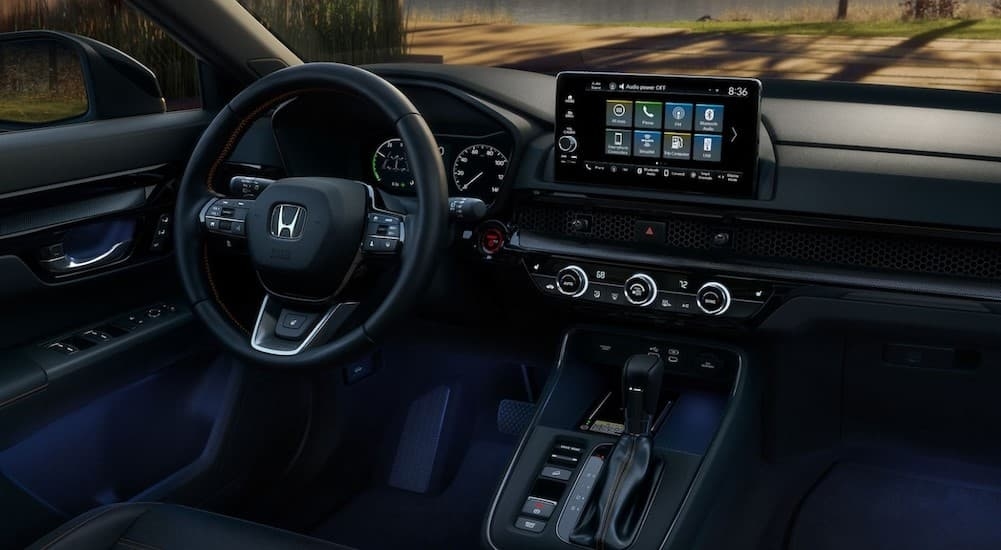
Before we answer this question, let's clarify which battery we're talking about. Remember that all cars, including gas-only models, have a 12-volt battery. However, we aren't talking about that battery. We're talking about the high-voltage battery pack that's unique to hybrid vehicles (along with their cousins, plug-in hybrid and electric vehicles).
Most hybrid high-voltage batteries are designed to last between 100,000 and 200,000 miles with proper care under normal driving conditions, and in many cases, they last the full life of the vehicle. That range aligns with the typical lifespan of most vehicles in the U.S., making long-term battery durability far less of a concern for hybrid owners.
So, in most cases, you shouldn't have to replace your high-voltage battery. But that doesn't mean you won't. Defects can occur, and that's where warranties come in, which is what we'll cover next.
What Warranty Comes With a Hybrid?
Federal law requires most hybrid manufacturers to provide a warranty on the high-voltage battery for at least eight years or 100,000 miles, whichever comes first. So if you do a "normal" amount of driving, you should be covered for the lifespan of your vehicle. (Side note, brands subject to California Air Resources Board laws must bump this to 10 years or 150,000 miles).
Your CR-V hybrid battery warranty meets federal requirements, and the SUV as a whole is covered under the same warranty as other Honda models, whether hybrid or gas-powered. These include:
- Limited Vehicle Warranty: Covers new vehicles for three years or 36,000 miles.
- Powertrain Limited Warranty: Covers five years or 60,000 miles.
- Remanufactured Parts Limited Warranty: Every Honda genuine remanufactured part is backed by a three-year or 36,000-mile warranty for genuine remanufactured parts.
High-voltage batteries in hybrids are expensive to replace. Luckily, the warranty on yours is designed to last the vehicle's lifespan, so if any issues arise under normal use, you should be covered.
Explore the Honda CR-V Hybrid at Klein Honda Today
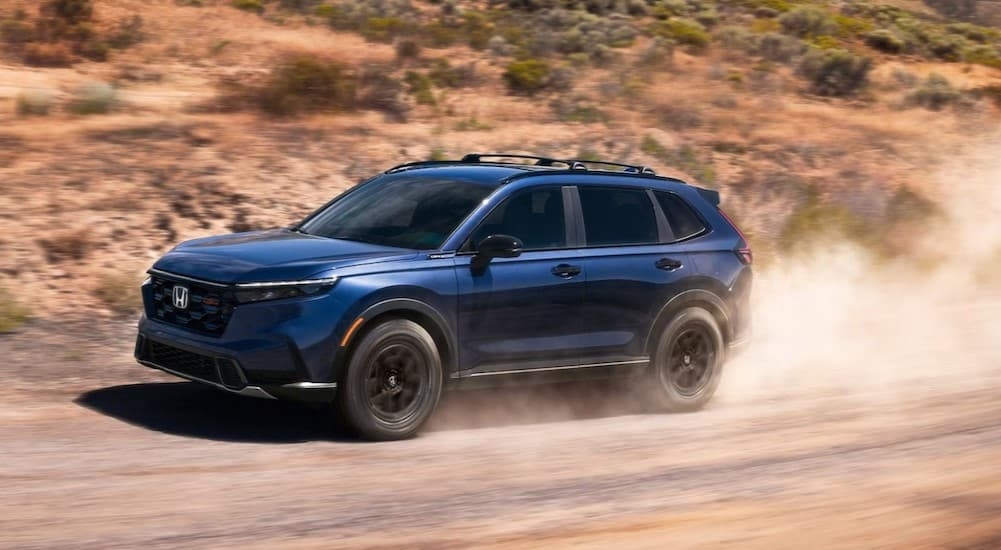
We're excited to show Bothell drivers the Honda CR-V Hybrid! We know it's a fantastic vehicle for drivers in the Seattle Metropolitan area. Whether you're attending classes at UW Bothell, working in the city, or adventuring around the state of Washington, the CR-V hybrid helps you go farther.
Our Honda specialists can guide you towards the model that aligns with your needs and financial goals. Plus, our service center is staffed with expert technicians trained to maintain the CR-V hybrid's unique systems, so you can feel confident long after you drive off the lot.
If you're ready to get behind the wheel of the CR-V hybrid, visit us today.